
Flow sensors & flow meters
Flow sensor
Monitor the flow of liquids and gases using flow sensors and flow meters
Flow sensors and flow meters are essential components for measuring and monitoring the flow of liquids and gases. They are used in industry, laboratories, water treatment, ventilation, heat exchangers, compressors and medical applications.
At Swelex you'll find reliable solutions that ensure efficient process control and proper distribution of liquids and gases.
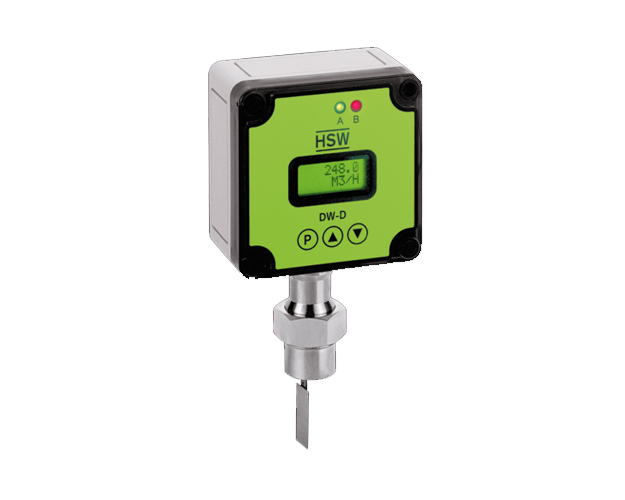

Henke Sass Wolf DW-D Flow sensor
Digital paddlewheel flow sensor with analogue output and totalizer, ideal for liquids and gases.
- Patented sensor principle with pendulum system
- Digital display, analogue output signal (4-20 mA, 0-10 V)
- Totaliser and two adjustable switch points
- Large measuring range and high precision
Gems FT-110 Flow sensor
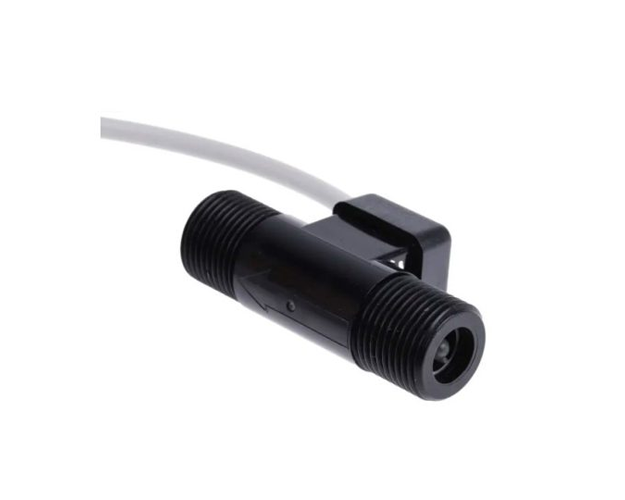
Hall Effect turbine flow sensor for low flows, ideal for OEM.
- Flow rate 0.5-30 l/min
- Accuracy ±3 % of reading
- Mounting in any direction
- Electrical output signal for connection to control system
Gems RFO-PW Flow sensor
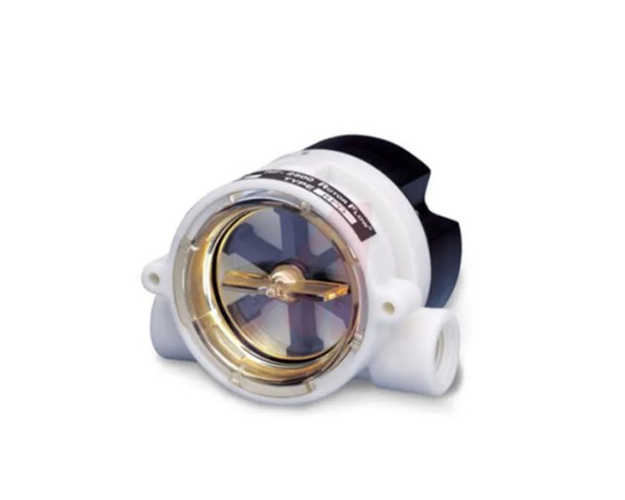
FDA approved rotor flow sensor for drinking water applications.
- Pulsed VDC output (4-25 VDC)
- Visible blue rotor for easy control
- Stainless steel sensor housing
- Compact and panel-mountable
Gems RFS series
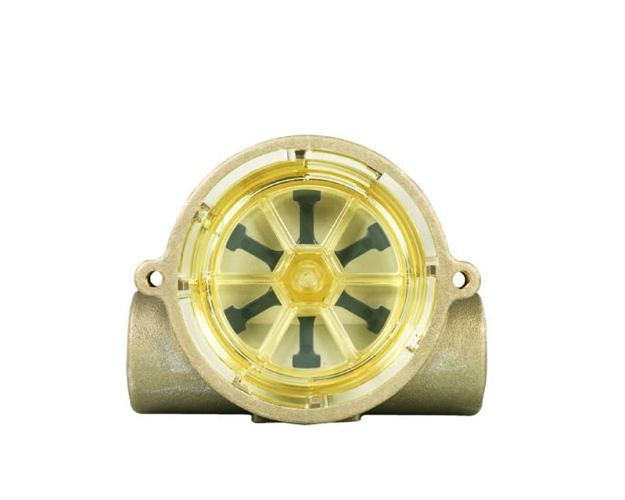
Electronic rotor flow sensor with visual indicator and adjustable switch function.
- Easy adjustment of switching points
- LED indication at set flow rate
- Suitable for medical equipment, laser systems & robotic applications
- 115 VAC operation
Gems FT-330 Flow sensor
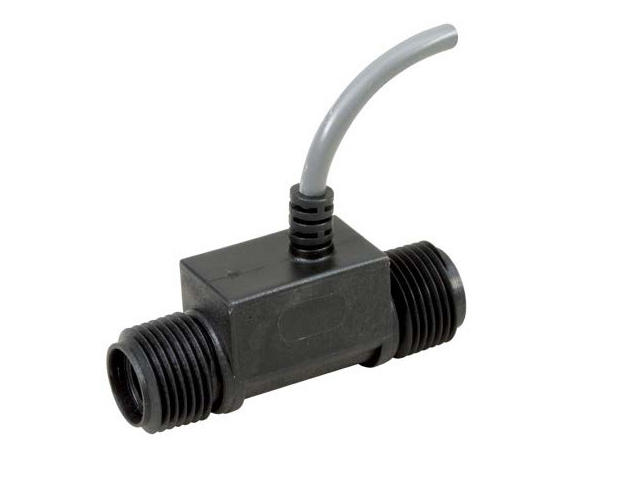
Hall Effect turbine flow sensor for low flow, high precision applications.
- Flow rate 0,8-7,6 l/min
- Accuracy ±2 % of reading
- NSF certified
- Overmoulded electronics with integrated cable reinforcement
Dwyer IEF Series Flow Sensors
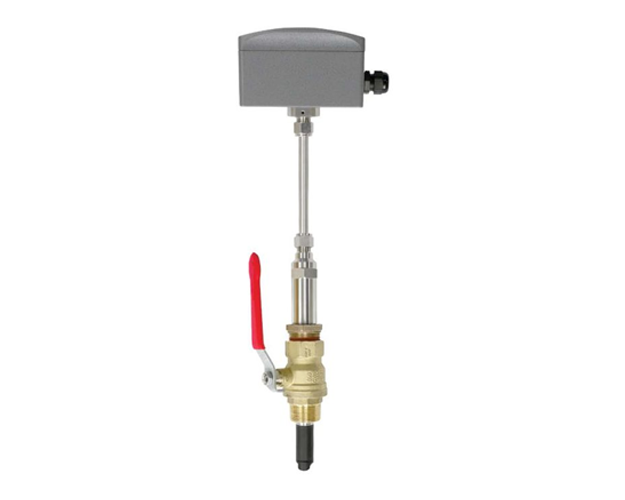
Electromagnetic flow sensor with field-configurable installation and multiple outputs.
- High accuracy and multiple continuous signal outputs
- Communication protocol: BACnet MS/TP or Modbus RTU via RS-485
- Analogue, frequency and alarm outputs
- Fits pipe sizes 4-36 inches (101-914 mm)
Flow meter
Gems RFI-PW Flow meter
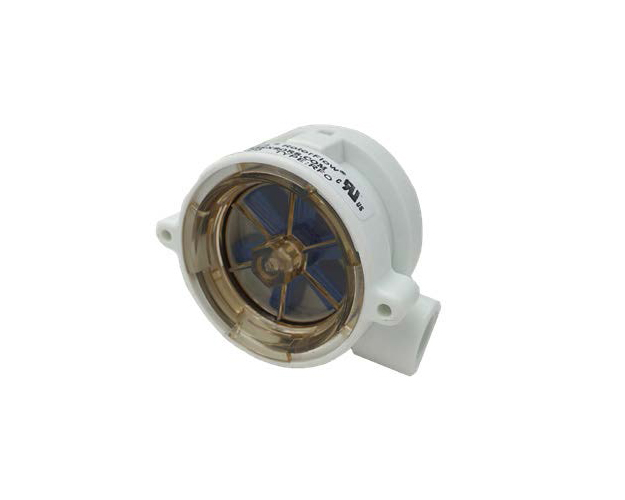
FDA compliant rotor flow meter for drinking water with visual rotor.
- Rotorflow technology with blue rotor
- Bayonet-mounted lens for quick cleaning
- Easy to install and cost-effective
- Material: nylon and epoxy
Dwyer RM Series Flow Meters
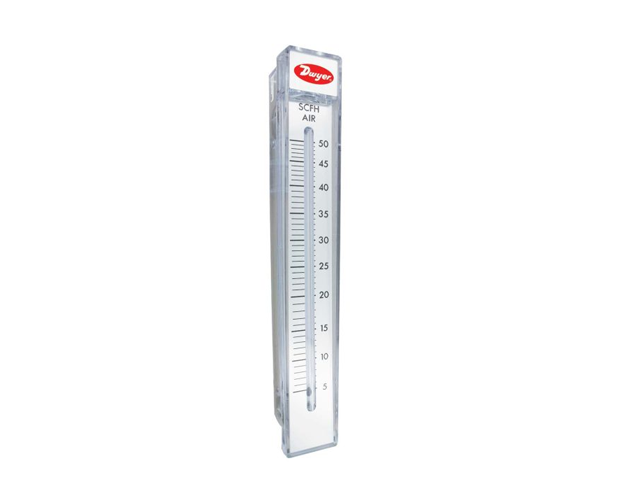
Polycarbonate float flowmeter with panel or surface mounting, flexible for gases and liquids.
- Scales: 2″, 5″ or 10″
- Interchangeable bodies without shutdown
- For medical equipment & chemical dosing systems
- Precision and direct reading
Dwyer VF Visi-Float Series Flowmeters
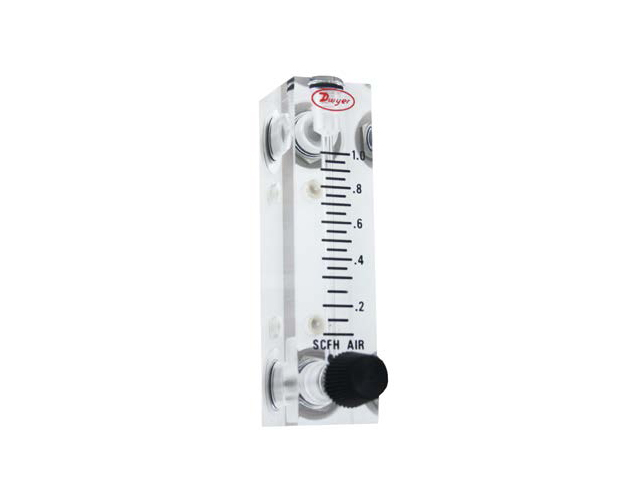
Precise flow meter with visual indicator for low flow applications.
- Acrylic body with high durability
- 2″ and 4″ scales
- For laboratories, medical equipment & gas analysis
- Can be equipped with precision metering valves
Applications for flow sensors and flow meters
- Industrial processes: Monitoring of liquid and gas flows in pipework, pumps and heat exchangers.
- Water and wastewater treatment systems: Ensures proper distribution and treatment of water.
- Laboratories & medical applications: Accurate measurement of low flows and gases.
- Ventilation & HVAC: Optimises air flows, filter monitoring and pressure control.
- Compressors and turbines: Protects equipment against over- or underflow.
Types of flow sensors
- The pendulum principle / Paddle Wheel
- Mechanical or non-contact flow detection.
- Simple construction with a long service life.
- Can provide electrical output for control systems.
- Flexible for different flow rates.
- Ultrasonic transducers
- Measures flow rate with sound waves.
- High precision without reducing pipe diameter
- Low maintenance cost, no moving parts.
- Piston and calometric principle
- Piston or heat sensor reacts to the flow.
- High precision, suitable for laboratories and sensitive processes.
- Electromagnetic sensors
- Measurement principle based on magnetic fields.
- Ideal for conductive liquids.
- Robust and chemically resistant.
Types of flowmeters
- RFI series
- Bucket flow meter in robust construction.
- FDA-compliant material choice for drinking water.
- Accurate measurements even in harsh industrial environments.
- RM series (Hovercraft)
- Measure both gases and liquids.
- Flexible installation on panel or surface.
- Suitable for medical equipment, laboratories and gas analysis. - VFA/VFB series (Visi-Float / float body)
- Low-speed flows with visual readout.
- Durable polycarbonate construction.
- Ideal for laboratories and research applications.
FAQ – Frequently asked questions about flow sensors and flow meters
-
What is the difference between flow sensors and flow meters?
-
What media can flow sensors and flow meters measure?
-
Which type of flow measurement should I choose?
-
Can flow sensors be used in industrial control systems?
-
What should be considered when installing a flow sensor?
-
Which industries use flow sensors and flow meters?