EMC, RFI & EMI Shielding

Swelex solutions for EMC, RFI shielding and EMI shielding

Swelex offers EMC protection, RFI and EMI shielding for electronics, cabling, enclosures, cabinets, rooms and technical environments where electromagnetic interference needs to be minimised. We help companies choose the right shielding solution based on the application, frequency range, environmental requirements, materials, installation and level of protection.

EMC protection for sensitive electronics and industrial environments 

EMC protection is used to reduce the risk of interference in electronic systems, cables, enclosures and technical installations. In practice, this may involve protecting sensitive electronics from external interference, or preventing the equipment itself from affecting other systems.

Our product range includes, amongst other things, conductive gaskets, shielded cable glands, ferrites, EMI filters, shielded enclosures, shielded rooms, shielded cabinets and EMC enclosures. These solutions are used in sectors such as industry, energy, transport, IT, telecoms, medical technology, defence and other environments where operational reliability and protection against interference are crucial.

Swelex offers most products and solutions for EMC, RFI, EMI, EMP, NEMP, HEMP, LEMP, noise shielding. Whether you work in industry, military, transport, energy, IT or any other field, we at Swelex can help you with the right equipment for shielding.

Enclosures and structures for electronics

Examples of relevant solutions where both the seal and the electrical jointanalytical skills are required

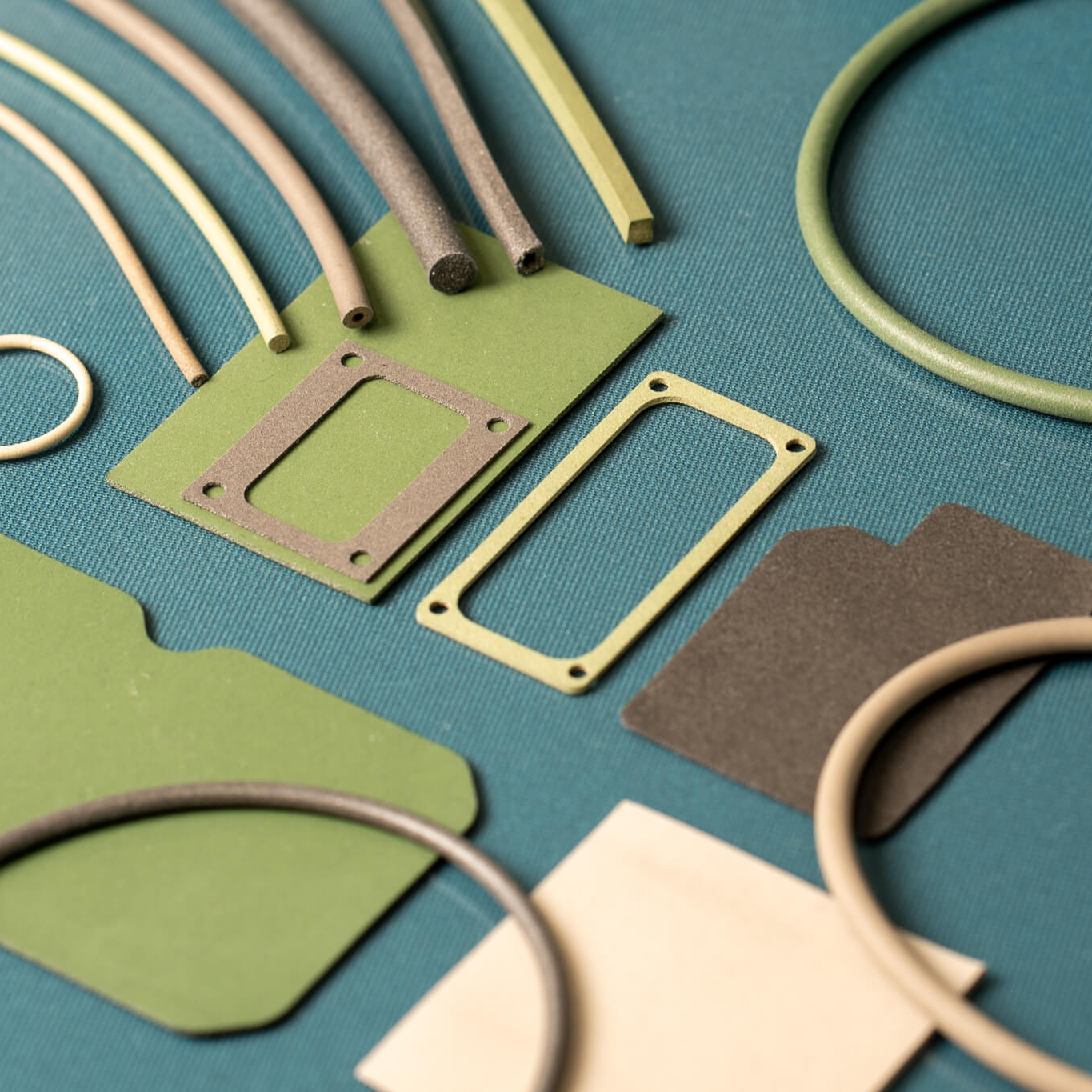
Electrically conductive silicone and fluorosilicone gaskets

  • EMC/EMI shielding for sensitive electronics
  • Conductive silicone/fluorosilicone o-rings & profiles
  • Customisable profiles, lengths & dimensions
  • Resistant to environmental influences & galvanic corrosion

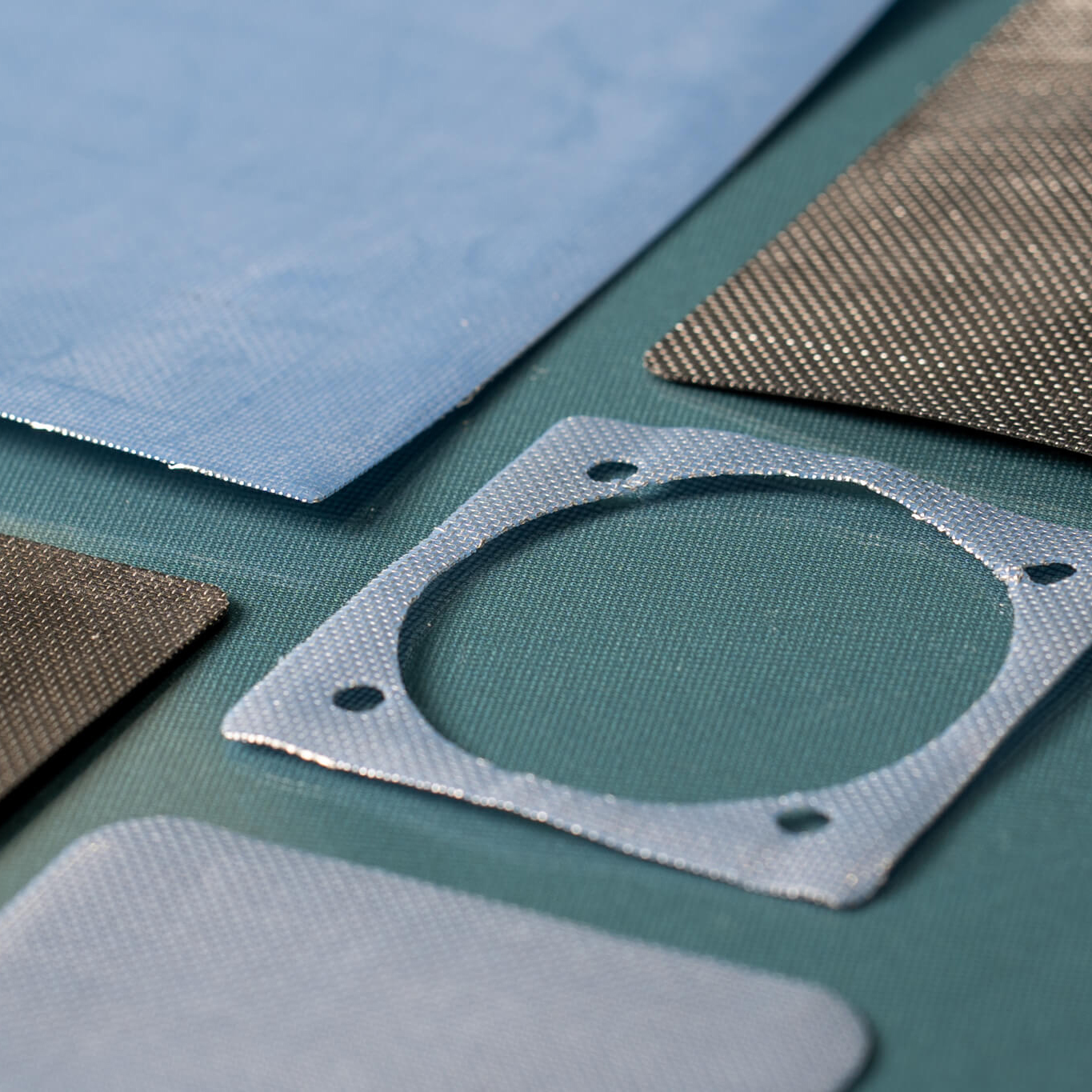
Expanded/woven metal

  • High conductivity with woven metal wires
  • Flexible sealing with wire elastomer
  • Wide range of materials
  • Reliable environmental sealing and long service life

Oriented wires in silicone or fluorosilicone

  • High electrical conductivity
  • Effective sealing against dust and moisture
  • Customisable dimensions and designs
  • Long life in harsh environments

Openings in enclosures

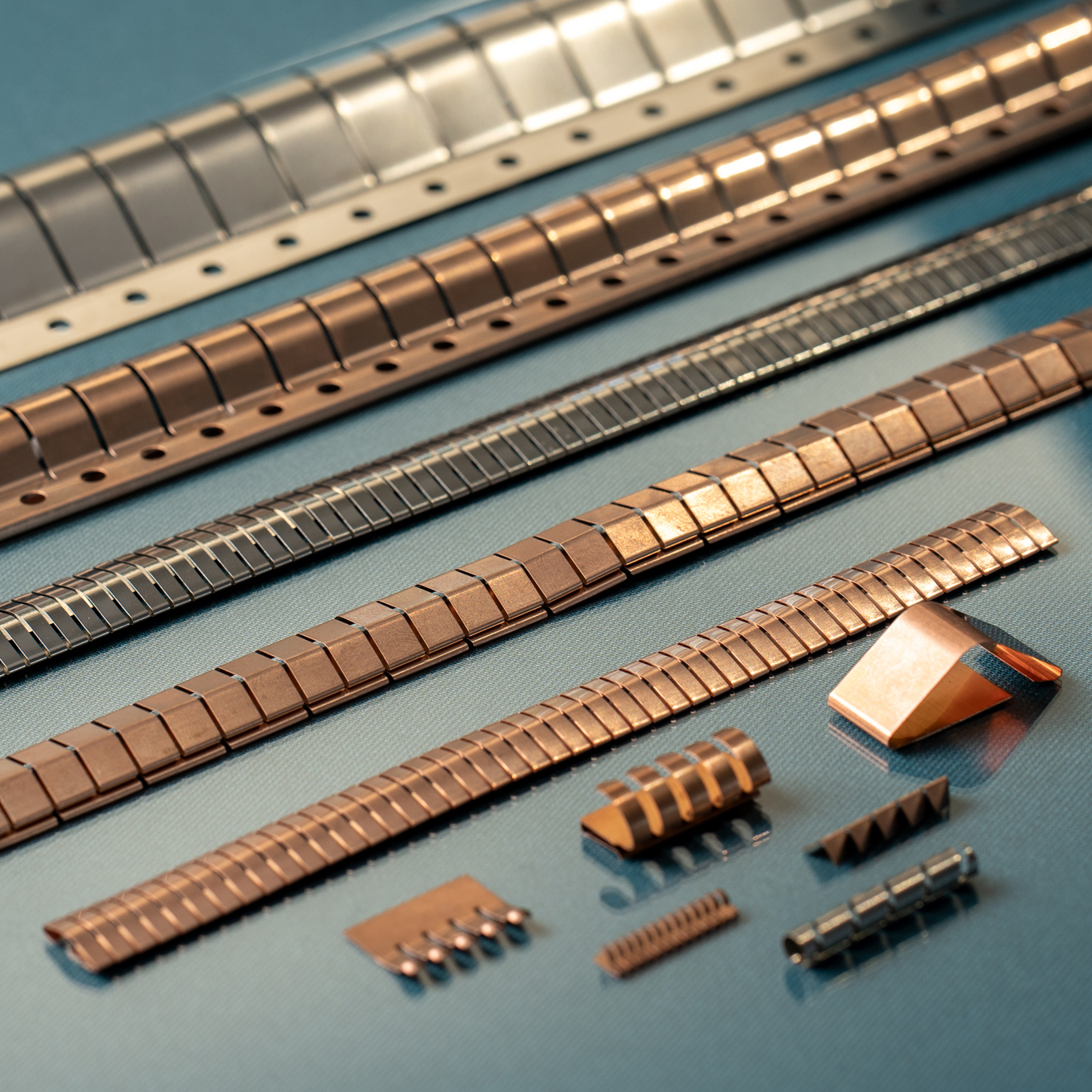
Conductive gaskets, strips or beryllium copper fingers are often used for openings in enclosures.

Examples of suitable solutions for openings in enclosures

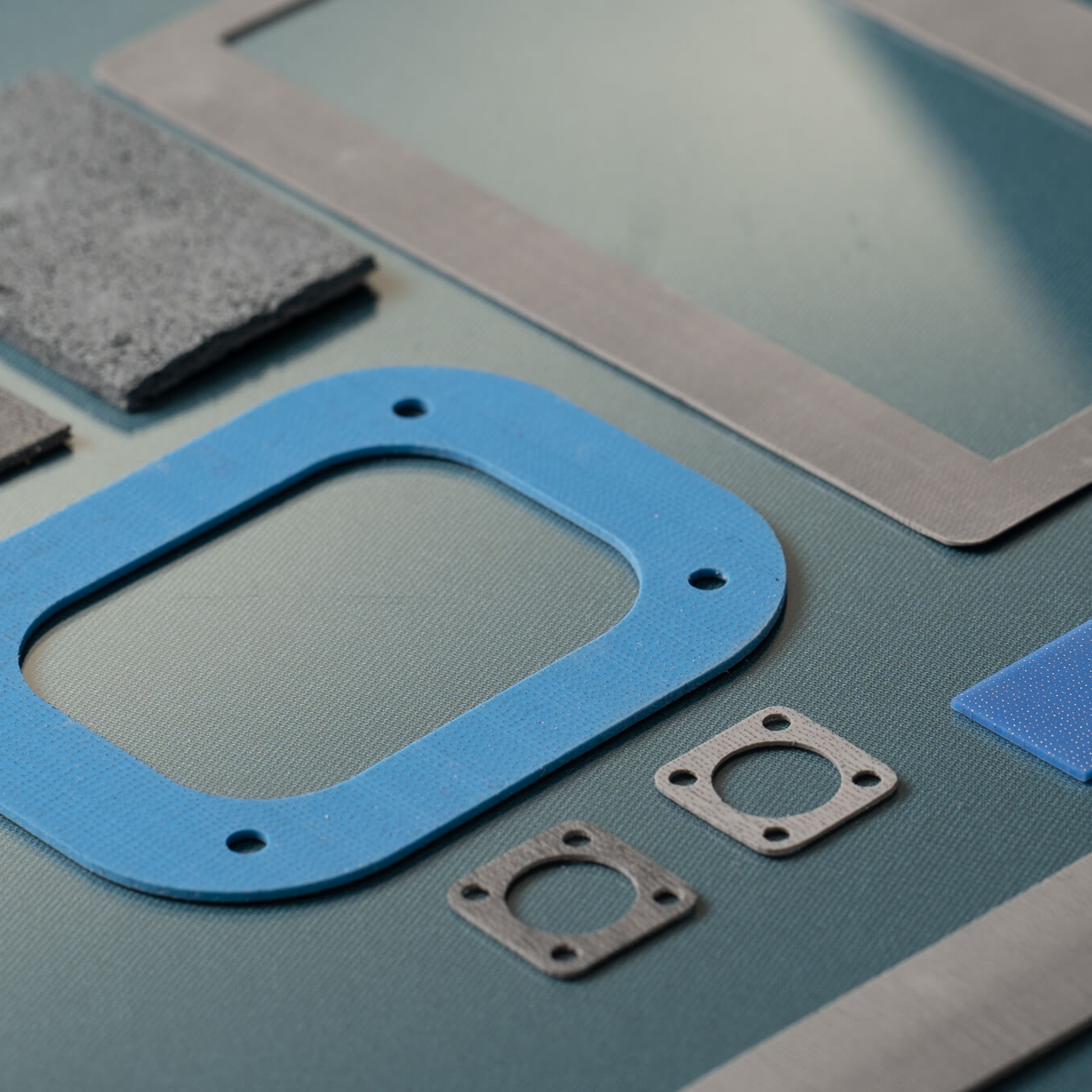
Conductive fabric gasket or fabric over foam

  • Effective EMI shielding with flexible sealing
  • Foam rubber with conductive fabric cover
  • Easy installation
  • Robust and long-lasting construction

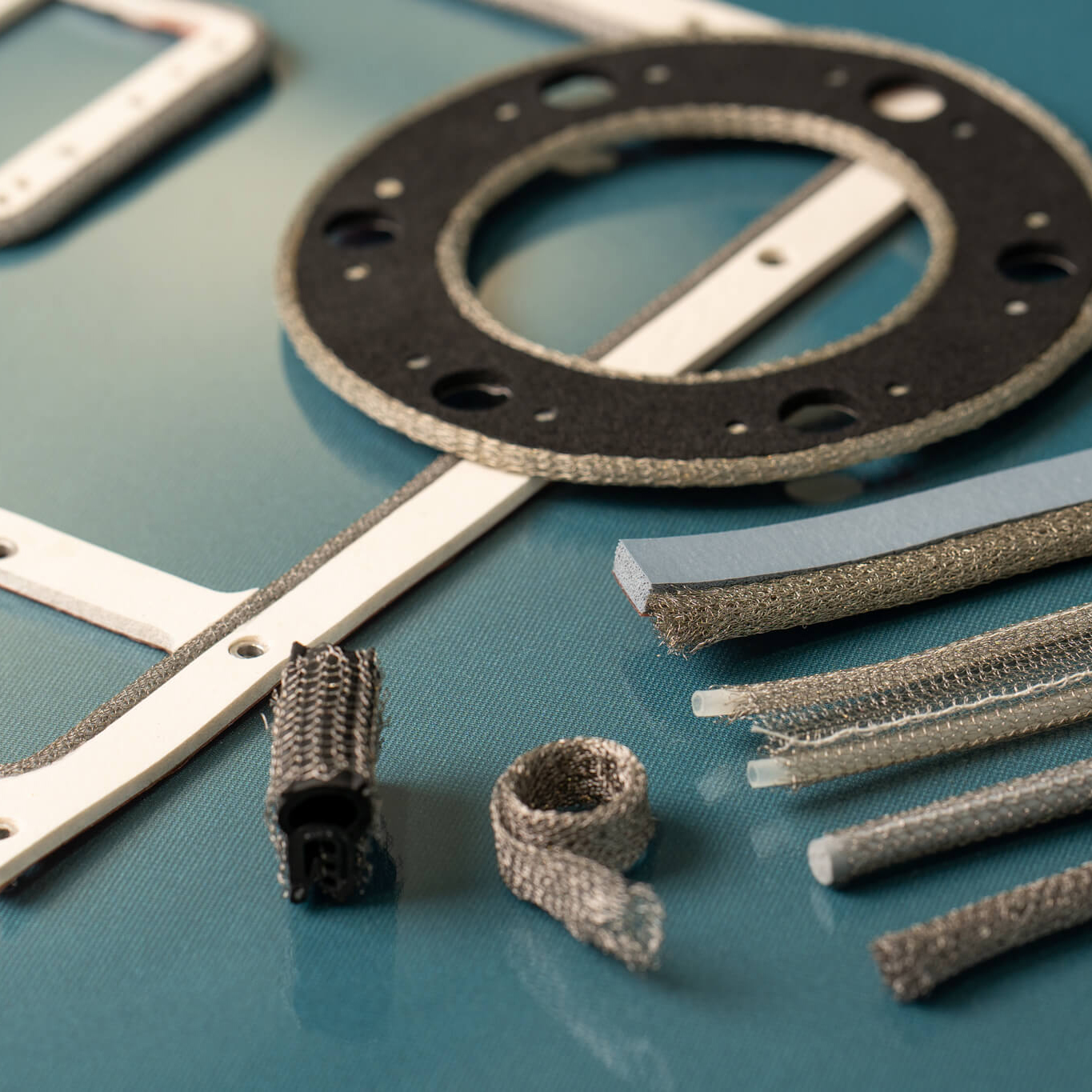
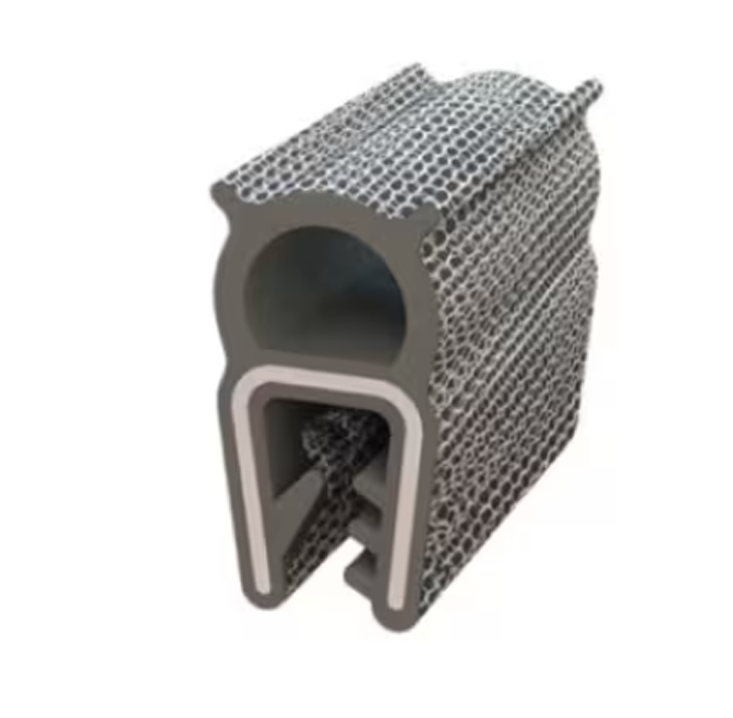
Knitted gaskets

  • EMC and EMI protection with sealing
  • Knitted moulding with elastomer for protection
  • Easy installation and flexible customisation
  • Long life in harsh environments

Beryllium copper fingers

  • Standard profiles - fast deliveries
  • Fast technical support
  • Applied with tape, as a clamping strip, etc.
  • Long lifetime that reduces maintenance costs

Screening for larger spaces

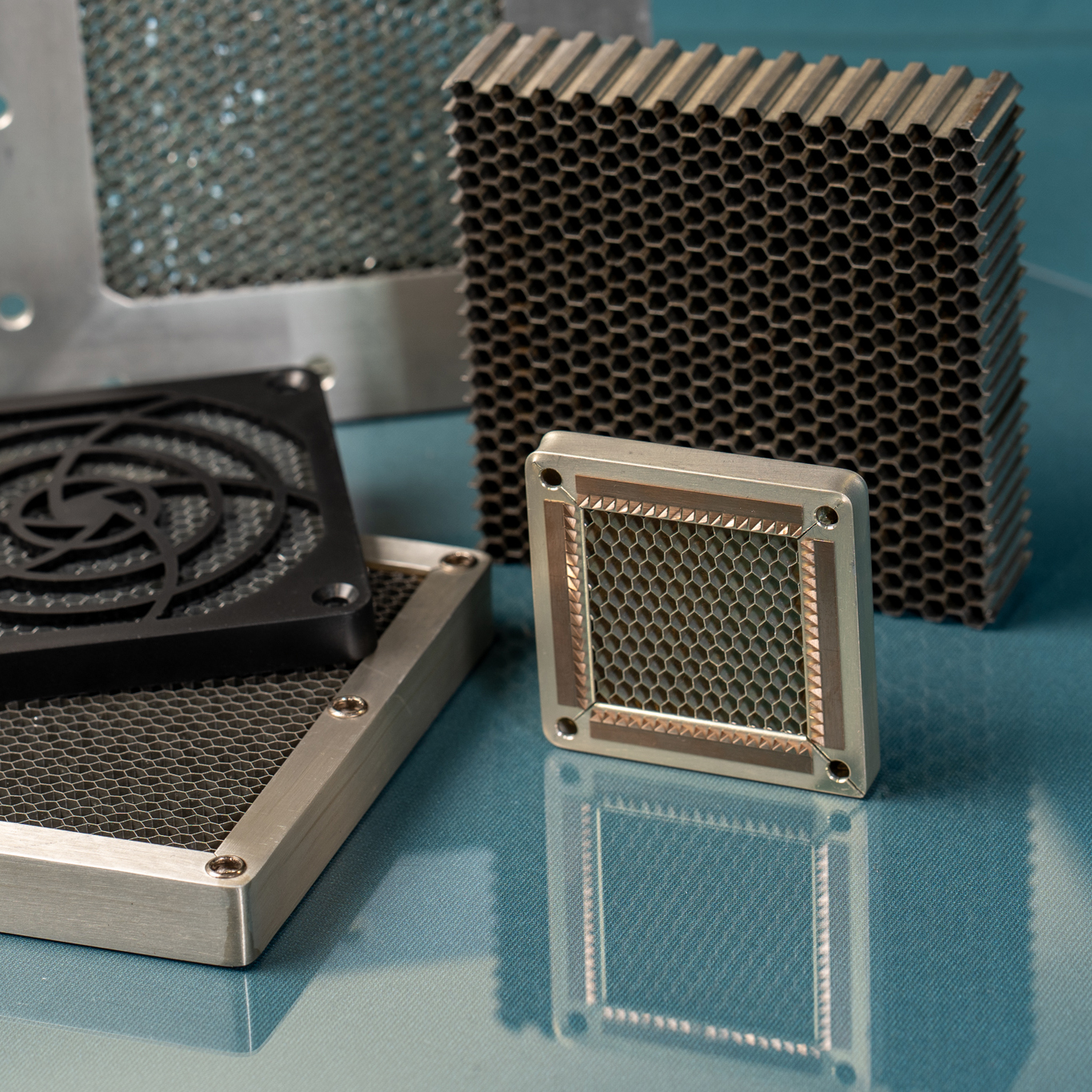
For larger areas, shielded cabinets, shielded rooms, shielded doors and honeycomb ventilation grilles can provide more comprehensive protection. 

Examples of relevant solutions for larger sensitive environments

Soil plaiting

  • Effective EMI and RFI shielding
  • Flexible and durable conductive braids
  • Customisable for different applications
  • Easy installation with a long lifespan

Mu-metal

  • Protects electronics from low-frequency magnetic fields
  • Nickel-iron alloy with high permeability
  • Can be moulded into sheets, casings and enclosures
  • For medicine, labs, server rooms and sound systems

Honeycomb air grille

  • Honeycomb structure for optimal damping
  • Available in aluminium, steel and stainless steel
  • Customisable size, thickness & cell density
  • Multiple frame and mounting options

EMC protection for cables, printed circuit boards and feed-throughs

When interference needs to be suppressed close to the source, the right solution is required for cables, cable glands and printed circuit boards. Swelex offers, amongst other things, EMI-shielded cable glands, ferrites and shielding enclosures that protect sensitive electronics and reduce the risk of EMI/RFI interference.

Examples of relevant solutions for larger sensitive environments

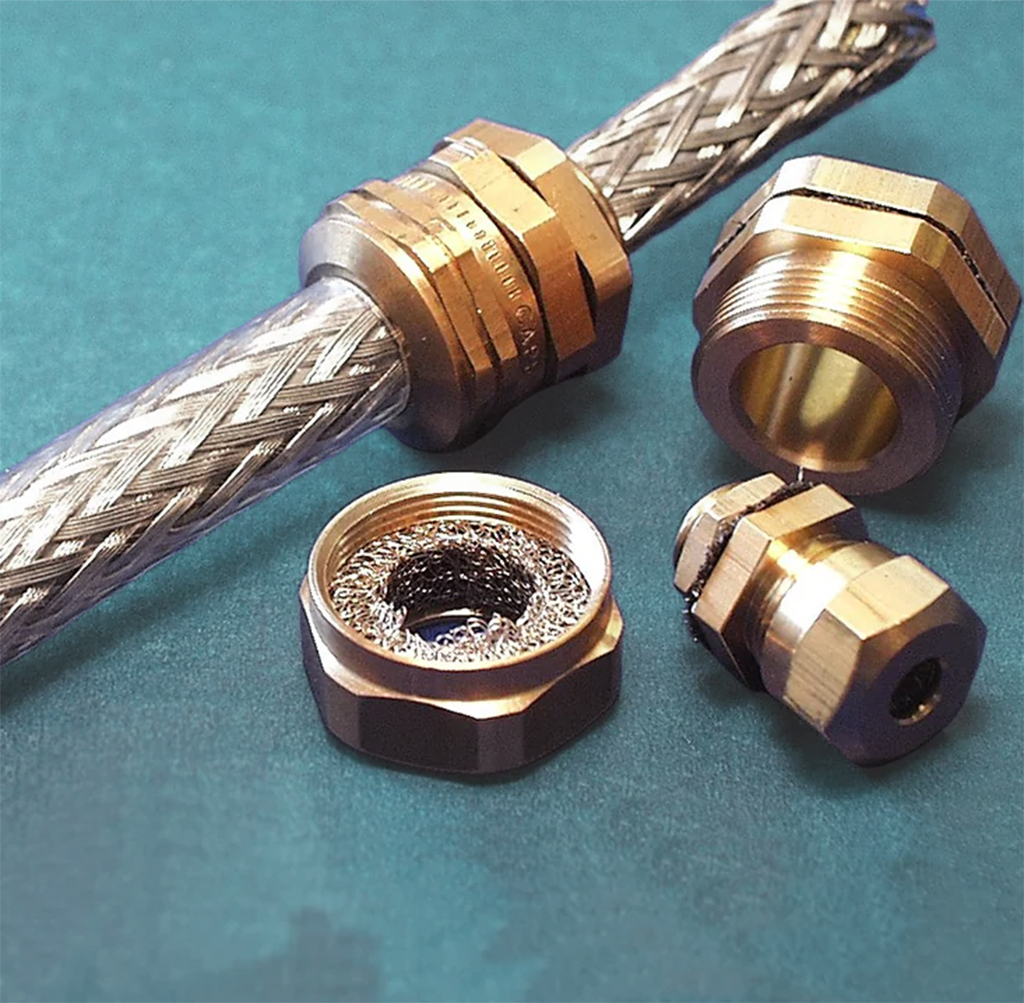
EMI shielded cable glands

  • Protects against EMI/RFI during cable entry
  • Available in several sizes (1.5-16 mm)
  • Conductive materials, e.g. brass
  • Provides strain relief and protects the cable

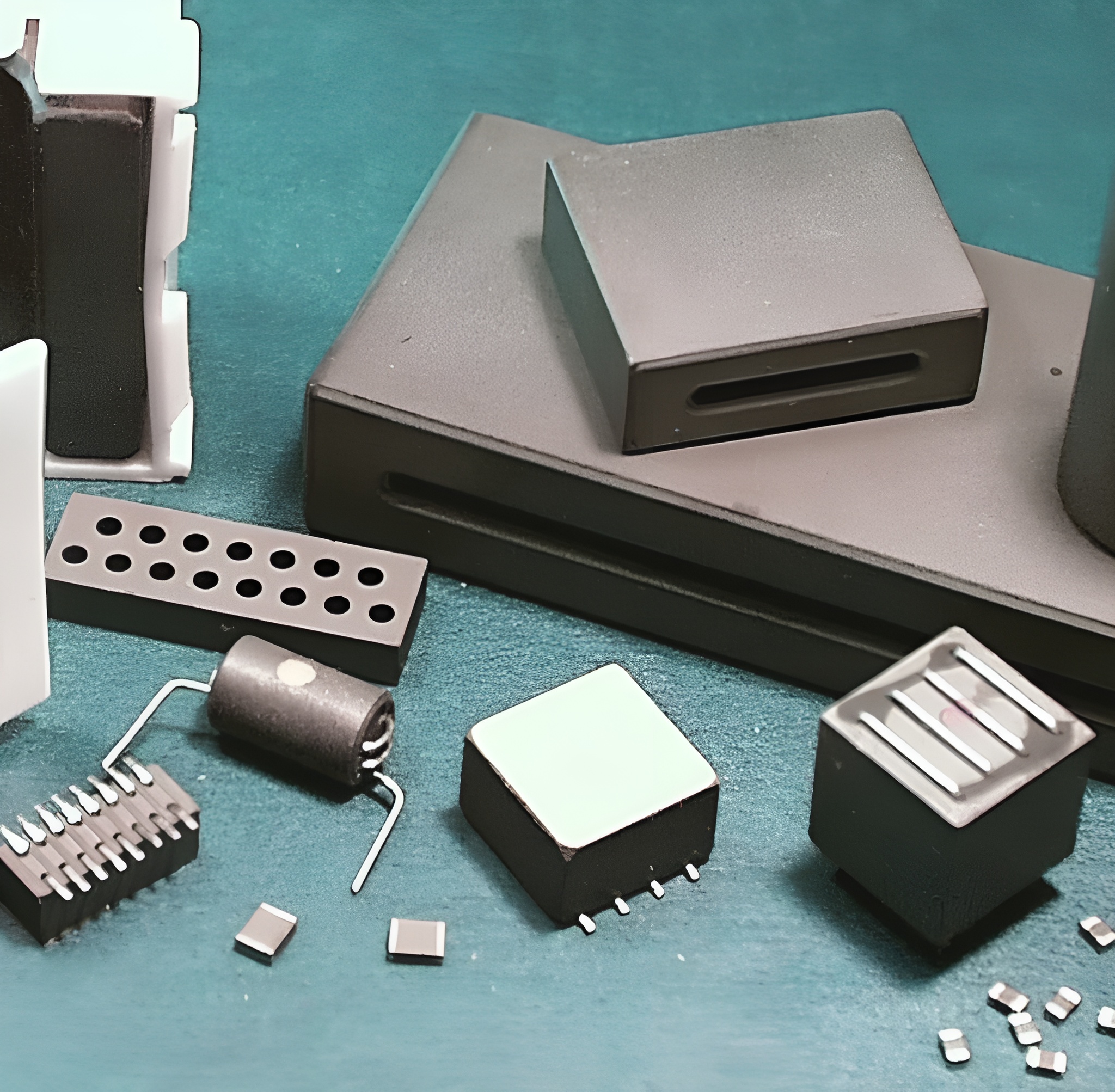
Ferrites for EMI attenuation

  • Filters signals and noise
  • Easy assembly, even afterwards
  • For round cables, tapes and special
  • Dampens interference in homes, industry and electronics

Screen cans

  • EMI/RFI shielding for printed circuit boards
  • Standard and customised jars
  • Easy to install and service
  • Low weight, high shielding effect

Filters, ferrites and protection against conducted interference

Conducted interference is often transmitted via cables, power lines, data connections or other conductive paths. In such cases, filters, ferrites, transient protection and cable shielding can be important elements of EMC protection.

Relevant solutions for cables and wires

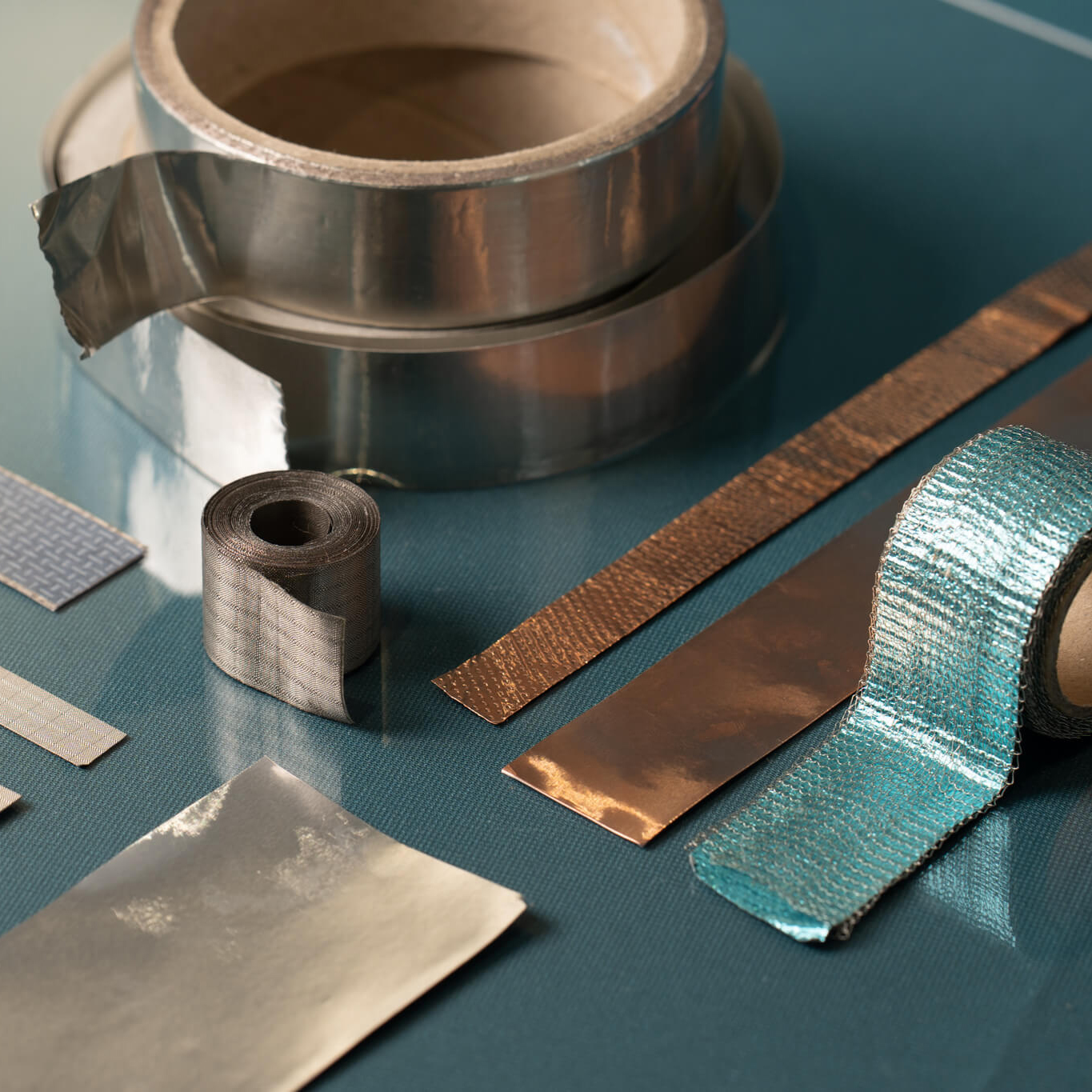
Conductive adhesive tape

  • Electrically conductive metal layer
  • Available in different thicknesses & widths
  • High conductivity - can also be soldered
  • Options with additional corrosion protection

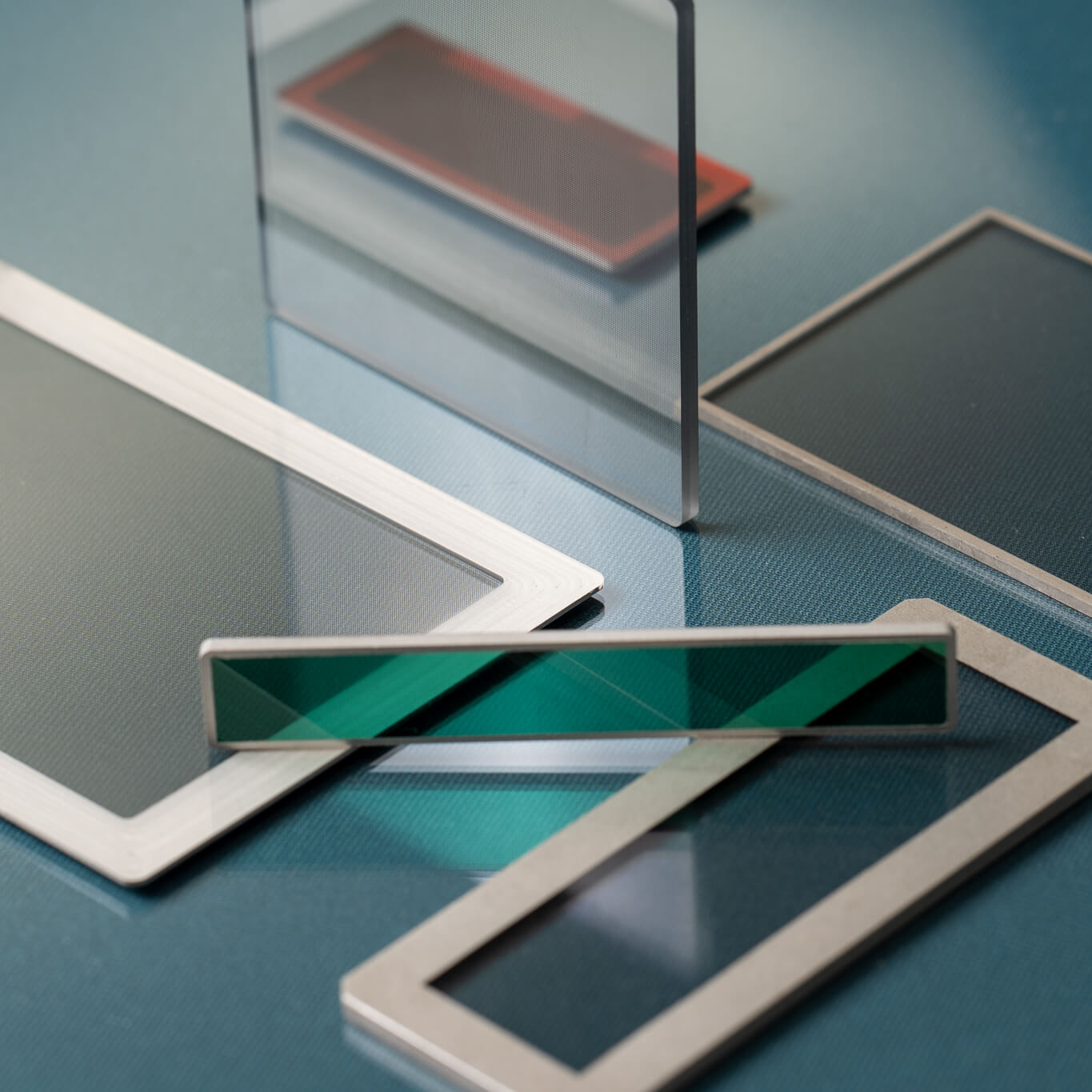
EMI/RFI shielded windows

  • Protects against EMI/RFI
  • Lets light through and provides good visibility
  • Available with fine mesh or ITO film
  • Flexible sizes and materials

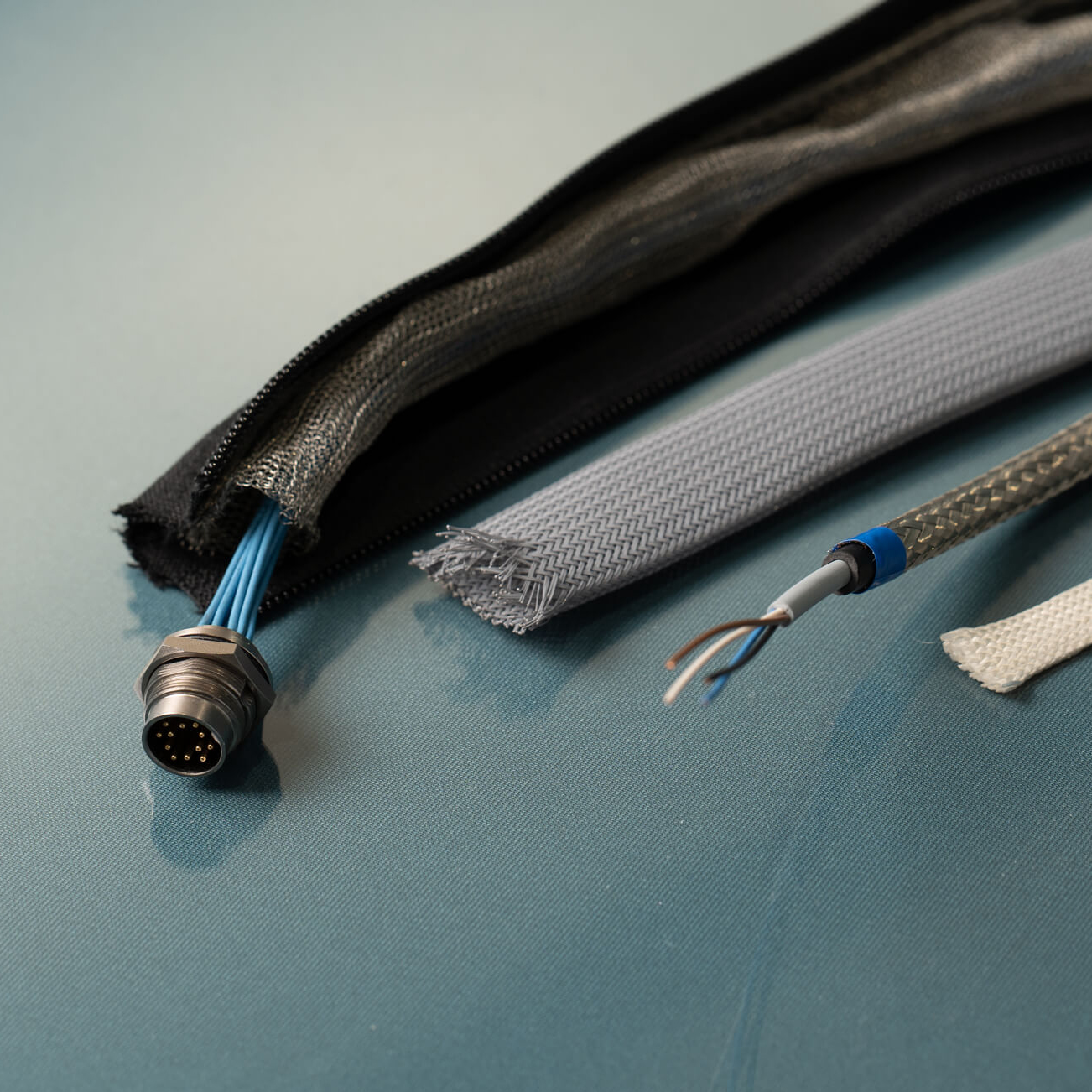
Cable shielding

  • Protects against EMI and RFI
  • Withstands abrasion, chemicals and harsh environments
  • Fits most cable types and dimensions
  • Saves time during installation and maintenance

Shielded rooms, cabinets and doors 

When entire systems, test environments or workspaces need to be protected, a more comprehensive shielding solution is often required. Shielded rooms, shielded cabinets and EMC enclosures are used to create a controlled environment in which interference is attenuated and sensitive equipment can operate reliably. 

Relevant solutions for equipment, test environments or workspaces


Screened doors

  • Protects against EMI in sensitive environments
  • Customised hinged, sliding or motorised doors
  • Durable, low maintenance, long life
  • For labs, hospitals, industry and EMC environments

Screened rooms

  • Protects electronics from interference
  • Turnkey rooms, lockers and containers
  • Aluminium, copper and galvanised steel
  • For labs, medical devices, industry and R&D

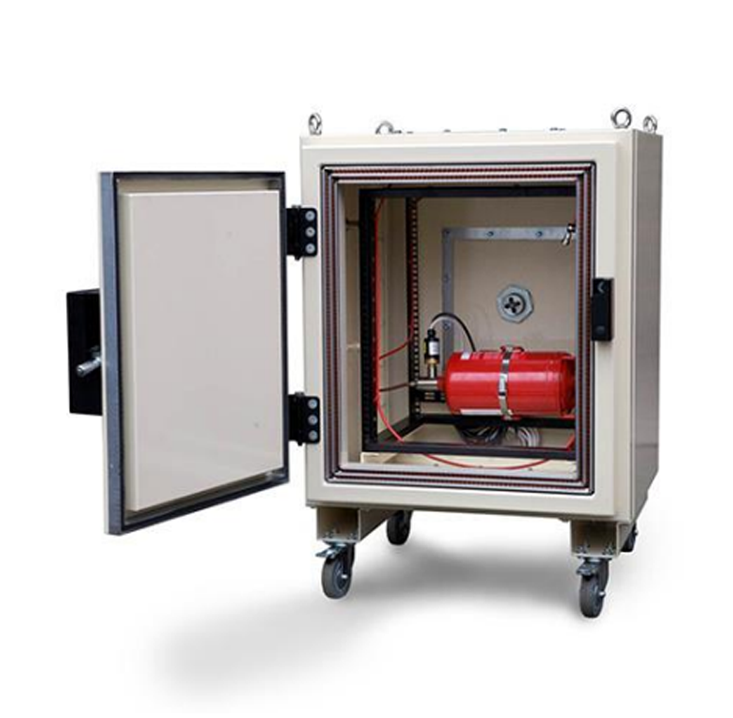
Screened cabinets

  • Protection against EMI/RFI (<1 kHz-40 GHz)
  • Customised cabinets and enclosures
  • Aluminium, copper or galvanised steel
  • For labs, industry and medical technology

Seals and gaskets for EMC shielding 

Conductive seals and gaskets are used when an enclosure, door, hatch or joint needs to provide a tight seal, both mechanically and electrically. They reduce the risk of electromagnetic interference entering or escaping through openings in the structure. 

Relevant solutions for power surges and interference in power, data and telecommunications lines 

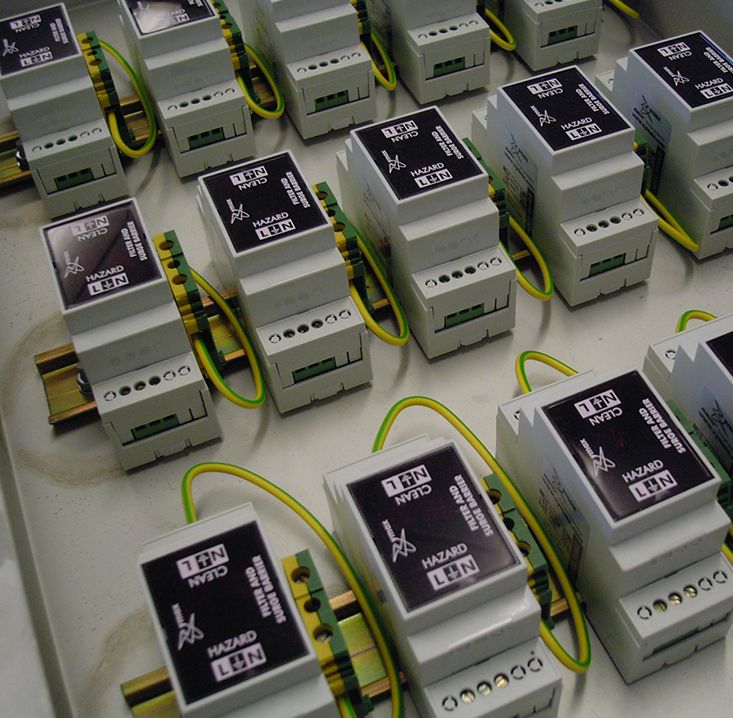
Lightning protection and transient protection
For protection against transients, overvoltages and interference in power, data and telecommunications lines

  • Protects against overvoltages
  • For AC, aerial, coax, telecom and data lines
  • Complete solutions with enclosures and fuses
  • Increases reliability and lifetime of electronics

Dispensed conductive gasket
For customised gaskets that are fitted directly onto a component or housing.

  • Form-in-place EMI gasket for EMC sealing
  • High conductivity with conductive silicone
  • Precision application on components & surfaces
  • Flexible, durable materials for long-lasting performance

Power filters, equipment filters, telephone and data filters
For power supply and electrical installations where interference needs to be filtered out.

  • Blocks noise and interference (EMI/RFI)
  • Power, data and telephone line filters
  • Protects applications such as screened rooms & computer rooms
  • Protection against EMP, HEMP, LEMP and RÖS

Conductive adhesives and flexible gaskets for EMC sealing

For applications where electrical contact, adhesion and flexible mounting are all required, solutions such as conductive adhesives and clip-on gaskets are available. These are particularly well suited to enclosures, hatches, doors and components where sealing and shielding need to be combined.

Relevant solutions for enclosures, hatches and doors

Electrically conductive adhesive 
For joining and making connections where both adhesion and electrical conductivity are required.

  • Temperature sensitive - no heat impact
  • Adheres to multiple materials: metal, plastic and ceramic
  • Provides thin, precise and reliable electrical connection
  • Vibration & shock resistant sealant for electronic devices

Clip-on knitted RFI/EMI shielding gasket

For doors, hatches and enclosures where flexible installation is required.

  • Easy and quick assembly without glue
  • High EMI and RFI shielding
  • Flexible for different shapes and applications
  • Long life and robust construction

EMC, RFI and EMI, EMP, NEMP,
HEMP, LEMP, RÖS and ESD:
these are the abbreviations for

EMC (Electromagnetic compatibility)

EMC is the ability of a device, equipment or system to function satisfactorily in its electromagnetic environment without unacceptably affecting anything in that environment.

EMI (Electromagnetic Interference)

Electromagnetic interference is the opposite of EMC. It is when a conflict is experienced between different pieces of equipment in a system. It means that one piece of equipment emits interference, conducted or radiated, to such an extent that another piece of equipment in the system experiences problems or malfunctions. All electrical and electronic devices emit a certain amount of interference, to a greater or lesser extent. It is when the emitted interference reaches a level where other equipment is disturbed that we get a conflict situation, EMI.

There are many different standards, both civilian and military, that prescribe how much an equipment can emit in terms of interference: for example, the generic standard EN61000-6-4:2007/A1:2011 for EMC emissions in industrial environments in Europe and FCC47 Part 15 Subpart B in the USA.

It is good that there are standards to rely on, but it is definitely no guarantee that conflicts will not occur, only a good start to achieving EMC. Of course, it also depends on how much interference the receiving equipment can withstand before it malfunctions.

The EMC/EMI phenomena can thus be divided into 4 parts:

  • radiated energy emitted (emission)
  • resistance to radiated energy (immunity)
  • Conducted energy emitted (emission)
  • resistance to conducted energy (immunity).

RFI (Radio Frequency Interference)

The term RFI, radio frequency interference, is not used very often in Europe or Sweden. In the United States, however, it is widely used. Radio frequency interference, as it is called in Swedish, is interference that has such a frequency content that it falls within the radio frequency range. This frequency range is between 0.1 MHz and 3 000 MHz, which is a considerable range, where a variety of interference phenomena can occur. RFI is equated in Europe with EMI and thus has a much broader scope.

EMP (Electro-Magnetic Pulse)

Electro-magnetic pulse is what we usually associate with the electromagnetic effect of an atomic bomb blast, whether detonated on the ground or at high altitude. The definition of an EMP is a very brief transient voltage event: for example, the spike or transient that forms when a relay is activated, when a traditional fluorescent lamp is switched on, or when a thermostat switches on or off. This produces a rapid spike or transient that we can reasonably call an EMP.

NEMP (Nuclear Electro-Magnetic Pulse)

Nuclear electro-magnetic pulse is what we really mean when we say EMP, but in Swedish we want to strengthen the expression by saying EMP-puls. It is the electromagnetic pulse that is formed in a nuclear explosion. It is only one - but very fast - pulse with a rise time of 3 ns (see HEMP below), so a very fast pulse.

Today, we are well aware of what happens if a nuclear device is detonated at ground level. This ground cannot be used in the foreseeable future. Therefore, it is a high-altitude nuclear explosion that is tactically useful nowadays.

HEMP (High Electro-Magnetic Pulse)

High-altitude EMP is the EMP pulse emitted by a nuclear explosion at high altitude. A nuclear charge is sent up with a missile to a height above the atmosphere, where it is detonated. All other effects, such as shock waves and gamma rays, can then be discounted. The result is an EMP pulse that illuminates virtually all of the Earth visible from the explosion point.

Note also that the figure 3 ns on the pulse rise time only applies to the E1 type threat pulse for a HEMP. It is this fast component E1 that is described in EMMA and which we in Sweden have used, and still use, as a demanding threat pulse on many of our military strategic systems. In addition to E1, a HEMP also produces E2 with effects similar to lightning pulses and E3 with late time components (of second magnitude) and with effects similar to the effects of solar storms. The generation of all HEMP components is thus a complex process, and yet a low-altitude explosion has not been considered here.

The pulse is formed by a Compton process, where the static geomagnetic field together with the gamma rays refract electrons to form a very fast electromagnetic pulse that illuminates the Earth's surface.


LEMP (Lightning Electro-Magnetic Pulse)

Lightning electromagnetic pulse is the electromagnetic pulse produced by a lightning strike. When the course of a lightning strike has reached the phase where current begins to flow in the current path, a magnetic field is formed around the lightning path.

We remember from physics lessons at school that if you draw a current in an electrical conductor, a magnetic field forms around the conductor; that's exactly what happens around the lightning rod.

In the case of a lightning strike, several effects are dominant; the magnetic field that spreads for kilometres in the surrounding area is one of them.

RÖS (Clearance Signals)

RÖS, revealing signals, is a military term used to describe:

Improperly emitted electromagnetic signals that are perceived by unauthorised persons, which can then contribute to the disclosure of classified information (Source: FMV).

The English word for RÖS is TEMPEST. However, there is no rational explanation for this English word. No one knows where it comes from, but we do know what it means, namely the same as in Swedish, röjande signaler (Eng. compromising emanation).

The electromagnetic energy that can be detected from a distance and that can be deciphered to give an interpretation of the "useful signal" contained in the electromagnetic energy is referred to as the ROM.

A descriptive example is the black van parked in the banking district of a large city, or parked on the quay next to the visiting foreign warship. It is very likely that the van contains powerful measuring antennae and sensitive receiving equipment that tries to pick up electromagnetic signals that are inadvertently propagated from the bank premises or the warship. Some advanced signal processing can then tell us what information has come out that could be used in a hostile way.

ESD (ElectroStatic Discharge)

Electrostatic discharge is the same as static electricity. If we call the lightning pulse a macro phenomenon, we can call static electricity a micro phenomenon.

ESD is very similar to lightning. The phenomenon is built up by separating strong charges, after which nature tries to harmonise them again, like communicating vessels. A charge accumulation builds up for different reasons and under different conditions. A charge separation is then created, and this is when things start to get dangerous.

The separated accumulation of charge, either positive charge or negative charge, tries to equalise itself according to the laws of nature by collecting the opposite charge in its vicinity. If the isolation between them eventually breaks down, a static discharge occurs.

It is precisely the discharge that is dangerous for electronic equipment, if it is not adequately protected against this threat.

If we go back to school physics lessons again to understand what ESD is, we can describe the example of a cat skin and an ebonite rod. You can rub them together and then separate them, thereby creating a strong charge separation. The cat skin or the ebonite rod attracts dust and hair, causing them to stick together if they have opposite charges, but if they have the same charge they will push apart.

There are usually very high voltages associated with electrostatic discharges. It is usually said that there is no spark below 3 kV, while our electronics are sometimes much more sensitive to voltage transients with lower amplitudes, perhaps down to 400-500 V.

For larger sparks than those produced at 3 kV, an extension of the spark by one centimetre is said to correspond to a voltage increase of 1 kV.

If a person is working at a table and gets up from the chair, they can be briefly charged up to 30 kV (depending on the material of the chair cushion and trousers).

How shielding works

Shielding is the use of electrically conductive materials to create a shield around electronics or cables. This shielding blocks or conducts away interfering electromagnetic fields. Common examples of shielding are:

  • Metal casings around electronics
  • Screened cables with metal mesh or foil inside
  • Faraday cages to isolate sensitive equipment

EMI shielding includes all internal and external openings and components. These openings can be, for example, covers, panels or doors. The components can be panel meters, displays, indicators, switches, switches, potentiometers, etc.


Shielding is used here

  • Medical equipment (e.g. ECG, MRI): To avoid disturbance of vital equipment by external fields.
  • Aircraft and vehicles: Instrumentation and communications must be reliable and free from interference.
  • Industry and power grids: to prevent machines or control systems from receiving incorrect signals.
  • Consumer electronics: TVs, computers, routers, speakers - to prevent them from interfering with each other.
  • Military applications: to protect against interference and eavesdropping. 

What happens without shielding?

Without shielding, several problems can arise:

  • Electronics may stop working properly - for example, a mobile phone may interfere with a loudspeaker, causing noise or crackling.
  • Safety risks - e.g. a pacemaker or other medical device could be affected and give false signals.
  • Communication problems - for example, radio transmissions can be disrupted, which can be critical for emergency services or air traffic.
  • Information leakage - sensitive data can be 'leaked' through electromagnetic radiation, which can be exploited for eavesdropping.


Shielding at Swelex

The success of EMI shielding depends on the correct application of the shielding material available. Swelex is happy to advise on the right material for your problem. Do you have any questions? Feel free to contact us:


Frequently Asked Questions (FAQ) about EMC shielding 

  • When do I need EMC shielding? 

  • You need EMC shielding when electronic equipment is at risk of being disrupted by electromagnetic fields, radio signals, cables, power installations or other equipment. It is also necessary when the equipment itself must not cause interference to its surroundings. 

  • How do I know which shielding solution I need? 

  • Start by identifying the type of interference, frequency range, installation, environmental requirements and what needs to be protected. Cables may require ferrites, filters or cable shielding. Enclosures may require conductive gaskets and shielded feed-throughs. Larger environments may require shielded rooms, shielded cabinets or EMC enclosures. 

  • What is an EMC enclosure? 

  • An EMC enclosure is an enclosure designed to reduce electromagnetic interference. It may consist of conductive materials, shielding gaskets, filters, cable glands and other components which, together, provide effective EMC protection. 

  • Are EMI shielding and EMC protection the same thing? 

  • They are related, but do not mean exactly the same thing. EMI shielding is a method of reducing electromagnetic interference. EMC protection is a broader concept that can include shielding, filtering, earthing, enclosures and other measures to achieve electromagnetic compatibility. 

Any other questions? Please feel free to contact us:

TE Connectivity offers innovative solutions for electrical and electronic systems, focusing on connectors, sensors, cable systems and protection components. As a global technology provider with over 80 years of experience, TE Connectivity supports developments in transport, industry, medical, energy and communications, delivering reliable products that enable innovation in advanced applications worldwide.

European EMC Products (EEP) is a UK-based company that has been delivering smart electromagnetic compatibility (EMC) and electromagnetic pulse protection (EMP) solutions since 1996, offering everything from RF shielded cabinets and EMP shielded rooms to specially designed doors, ventilation systems and line shielding that keep electronics safe from interference. With ISO 9001 certification and customers such as NATO, Defence Forces and government agencies worldwide, EEP combines technical expertise with practical solutions for both civilian and military environments.

Zymax is a British company with over 25 years' experience in surge protection. They manufacture SPDs for a range of applications, from mains voltage to data, telecoms and process lines - all produced in the UK.

Slater Plastics has over 25 years of experience in optical filters for displays and electronics. They supply customised solutions in plastic and glass, with the option of RFI protection, screen printing and various surface treatments that improve durability and readability.

Zipper-Technik is a leading European supplier of thermal protection, cable protection and EMI shielding. Since its inception in 1965, the company has developed customised and cost-effective solutions with a focus on quality, sustainability and close partnership.

Mettex is the UK's largest manufacturer of earthing braids and related products for the electrical industry. Since 1973, they have delivered high quality, cost-effective solutions with a focus on innovation, technical expertise and continuous development.